
Interior design support & solutionsfor every space
Get expert interior design support from our Sydney interior designer
Sometimes, you just need a fresh set of eyes to help you make a design decision; or a sounding board to get you started on a new project. Whatever your interior design roadblock, seeking professional help is the best way to move forward. That’s why we offer dedicated interior design support services to help you come up with the right solution for your project.
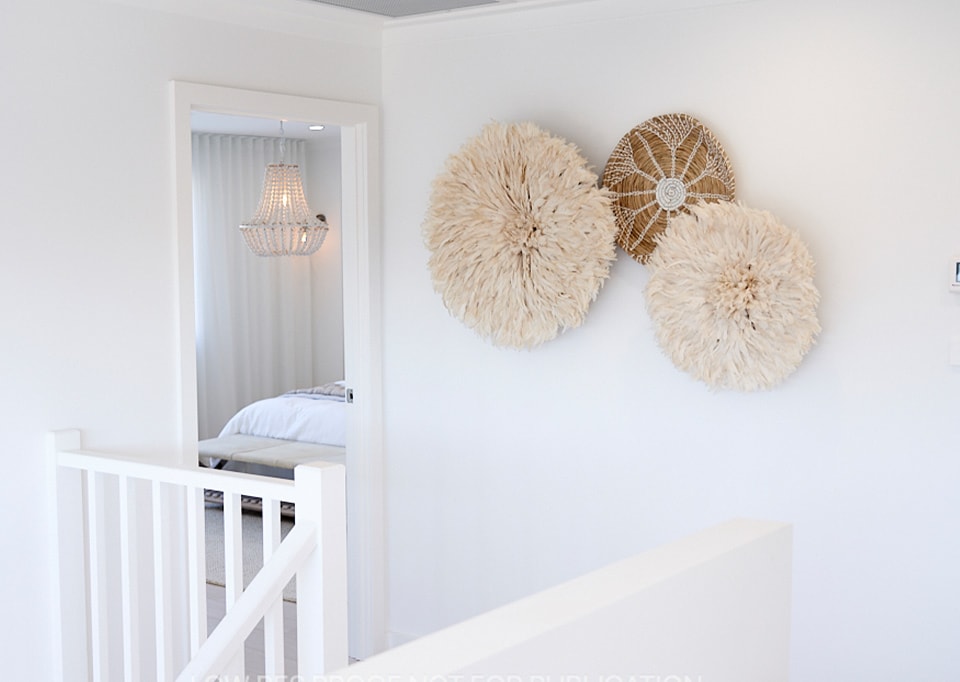

Interior design Online consultations
Our online consultations give you the chance to benefit from the extensive expertise and experience of our Sydney-based interior designer. Choose to use the full 90-minute allocation in one go or spread things out over two sessions to become more confident with your selections and better understand the logic behind all the decision-making.

Benefits of interior design support
When an interior design support service is required
Design support helps gain the confidence to make the right choice
Our interior design services include access to product samples and detailed 3D rendering so you get a sneak peek of how your new space will look and feel before work begins. We’re also available over the phone to support you through the entire process to provide peace of mind and ensure you feel confident in your interior design choices.
Nancy Malekpour-Nisyrios
Nancy has helped Sydneysiders design their dream homes and premium retail spaces for over 25 years.
An award-winning display home designer, Nancy is an accredited interior designer & consultant who’s been featured in various home, kitchen, and bathroom idea magazines. She combines passion and innovation with a practical approach to create harmonious designs.
“You deserve a designer home without the designer price tag.”

DESIGN SERVICES
Services to take your project to the next level.

Interior Design & Space Planning
Before starting your project, ensure you make the most of your available space with our space planning services. At the core of the interior design process, we’ll help identify how your property will flow and how you will live in the new space to avoid design mistakes.

Interior Colours, Materials, Finishes
Set the right mood and create a comfortable atmosphere with interior colour consulting. Harnessing specific colours, textures, and materials, we can bring life to your home, create an illusion of space, and define living zones for maximum flexibility and practicality.

Exterior Design & Colours
Maximise street appeal and add value with professional exterior design planning. From choosing the external colour scheme to creating a seamless transition from the kerb to the front door, we help develop an outdoor design that enhances the architecture of your home.

Interior Design Packages
Maximise street appeal and add value with professional exterior design planning. From choosing the external colour scheme to creating a seamless transition from the kerb to the front door, we help develop an outdoor design that enhances the architecture of your home.
CLIENTS SAY

Nancy helped with our architectural plans and we engaged Nancy’s space planning service.
The suggestions and amendments that Nancy made to our floor plan created practical solution for our lifestyle and we gained multiple functional areas. Nancy really spent time understanding our family, how we live and use our space.
Nancy developed floor plans which included the furniture layout. She maximised the space and utilised each room which avoided making costly changes that may have arisen when it was too late in the construction process.
I highly recommend this service before you sign off on your builders’ architectural plans.
Nancy is the best interior designer she has attention to detail and performs her job to the best of her ability I was very happy to work with Nancy.
Nancy is a methodical and patient interior designer who takes the time to understand her clients’ wants to incorporate into the design solutions. The services related to the scope of work continued beyond final delivery where clarification of certain aspects of the design solutions were required. We will acquire Nancy’s interior designing expertise again for our future projects.
What an amazing asset Nancy was for us! We couldn’t have done it without her.
Nancy helped us with the interior and externals at PGH bricks and Dons Tiles. We trusted in her process and professionalism, so once she had an idea of our brief and budget we let her do her magic. She designed multiple colour combinations or our bricks, cladding, garage door/roof and multiple combinations on how the interior will work from the flooring to the powder room tiles. She also was very transparent to advise where we should invest the money and when we should not.
Looking back at our experience, I wouldn’t build a house without getting Nancy involved in the process! Pure legend! Thanks!
Nancy completed design work on our new build project. She has the rare combination of both creativity and practicality. She was highly professional, collaborative and efficient.
Nancy was amazing to work with from beginning to end.High attention to detail with a broader vision. Complete professional without a doubt! Increase your equity with a small investment.
Nancy was a pleasure to work with. We achieved our final desired look and Nancy helped us execute the style we wanted. She constantly thinks outside the box. Years of experience and knowledge in the industry. We look forward to dealing with her on our next project.
After making a mistake in choice of exterior paint, I was in urgent need of design assistance and Nancy came to the rescue!
I needed to make a decision as soon as possible as the painters were waiting, and Nancy was very accomodating and managed to fit me into her busy schedule. Not only did she help me choose a colour for the house, she helped me to pick matching tiles and lights and gave me other ideas to make my place look elegant and stylish (for which I’m very grateful). I’m very happy with how everything has turned out and I’d highly recommend Nancy’s services. I’ll certainly consult her again for future renovations.
Nancy helped me with the interior design of my dining and living area. She was absolutely fantastic to work with and really took on board what my style is. She was able to work within my budget and choose some fantastic pieces that I would never have found myself. Would definitely recommend.
I was extremely happy with Nancy’s work she provided us. She helped us with the design finishes on the facade of our new house.
She was very friendly and really took time to understand the look that I was going for and she definitely delivered very nice plans! I highly recommend her. She also helps you with making referrals to landscapers etc. Very professional and very talented interior designer. Highly recommend!

Interior Design FAQS
Define Your Style: Know what style you want for your space (e.g., modern, traditional, minimalistic).
Research: Look for interior designers online, or through referrals.
Portfolio Check: Review their portfolios to see if their style matches yours.
Budget: Ensure they fit your budget and discuss their fees upfront.
Interview: Meet with them to discuss your project, their experience, and communication style.
References: Read reviews to narrow down your options.
Contract: Agree on terms and sign a contract detailing scope, timeline, and fees.
Trust Your Instincts: Choose someone you feel comfortable with and who understands your vision.
Look for designers with formal education, certifications, and relevant experience in the type of project you have.
By carefully reviewing their portfolio, discussing your vision, and assessing their past work and client interactions, you can gain a good understanding of whether an interior designer’s style aligns with yours before making a decision.
During a home or commercial design consultation in Sydney, inquire about their process, timeline, budget expectations, and how they handle communication throughout the project.
Yes, it’s recommended to ask for references to gain insights into the designer’s work ethic and client satisfaction.
Be cautious of designers who lack transparency about pricing, show poor communication skills, or fail to provide references or a contract.
Interior designers in Australia usually charge between $80 to $250 per hour.
Additional costs such as travel expenses, furniture and decor purchases, and project management fees may apply depending on the scope of the project.
Interior designers create functional and aesthetically pleasing spaces by selecting furniture, decor, and colour schemes.
Space Planning: They analyze the layout and flow of a space to optimize functionality and efficiency.
Concept Development: They develop design concepts based on client needs, preferences, and project goals.
Material Selection: They choose appropriate materials, finishes, furnishings, and decorative elements that align with the design concept and the client’s budget.
Colour Coordination: They select colours that enhance the space and create a cohesive atmosphere.
Furniture and Fixture Selection: They source and specify furniture, lighting, fixtures, and accessories that complement the design and meet functional requirements.
Coordination with Contractors: They collaborate with architects, contractors, and other professionals to ensure that design plans are implemented correctly and on schedule.
Project Management: They oversee the implementation of the design, manage timelines, and budgets, and ensure quality control throughout the process.
Client Communication: They maintain clear communication with clients to understand their needs, provide updates on project progress, and address any concerns.
Overall, interior designers combine creative vision with technical expertise to transform interior spaces into environments that are functional, beautiful, and reflective of their clients’ lifestyles or brand identities.